White Sands National Park, New Mexico, United States
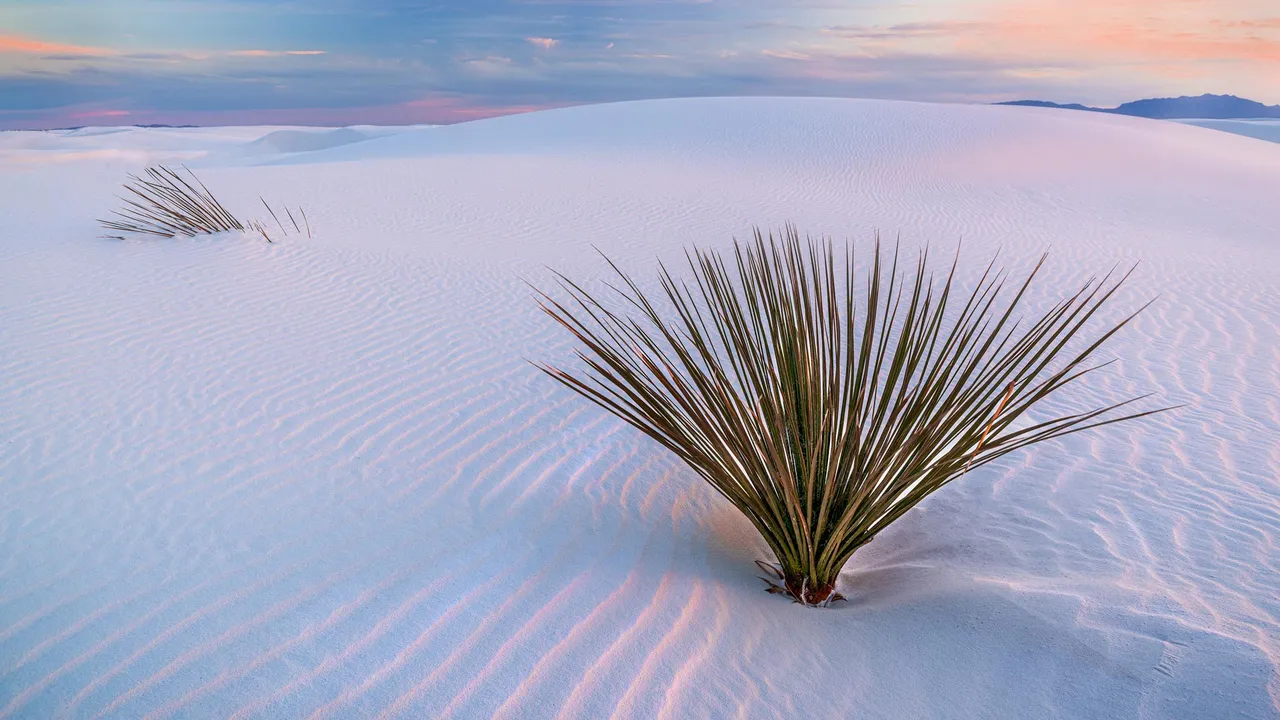
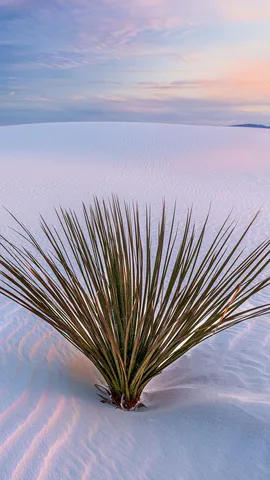
If 'Frozen' traded ice for sand, the result would look a lot like White Sands National Park in New Mexico—cool, white dunes that deceive the eye at first glance. It became a national monument on this day in 1933, established to protect a rare geological phenomenon: the world's largest gypsum dunefield. These dunes were formed from gypsum crystals that broke down over thousands of years, creating bright waves that stay cool even in summer.
Rising from the heart of the Tularosa Basin, the park spans 712 square kilometres. Beneath that brightness lies a story far older than the park itself. Palaeontologists uncovered fossilised human footprints alongside mammoths and giant ground sloths, providing one of the strongest records of Ice Age movement on the continent.
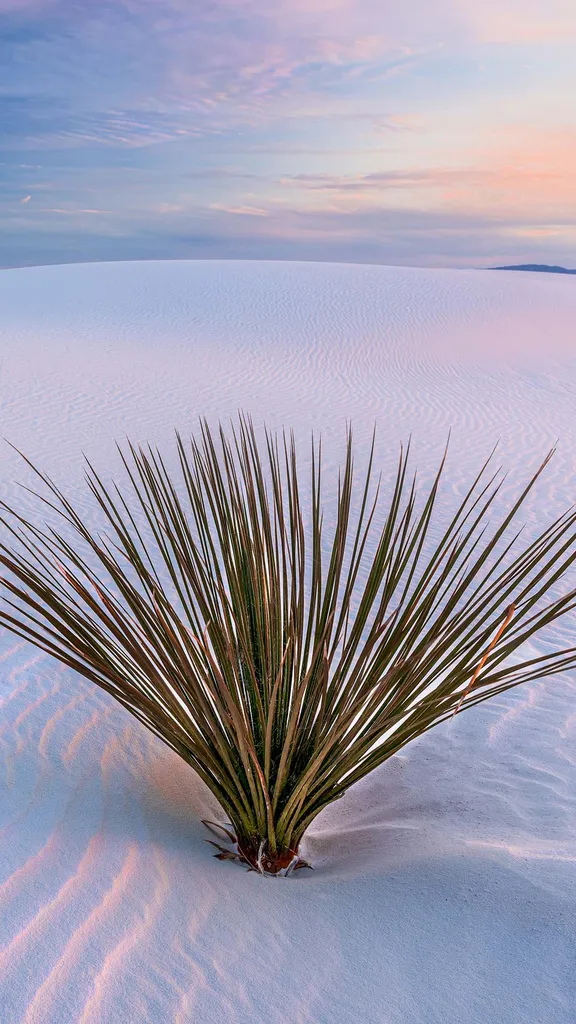
For all its starkness, the dunes still support a steady rhythm of survival. The soaptree yucca sends up tall stalks, while shrubs anchor themselves deep underground. Animals, including the Apache pocket mouse, bleached earless lizard and sand-treader camel cricket, blend into the pale terrain. When filmmakers need a landscape that looks otherworldly, this place is dressed for the part. 'The Man Who Fell to Earth,' 'The Book of Eli' and 'Transformers' all borrowed its 'Moon-on-Earth' glow.