Presidents' Day
Presidents' Day is observed on the third Monday of February and is officially recognized at the federal level as Washington's Birthday. The holiday was originally celebrated on February 22, George Washington's birthday, before being rescheduled under the Uniform Monday Holiday Act. Passed in 1968 and implemented in 1971, the Act shifted several federal holidays to Mondays, creating standardized long weekends. Washington's Birthday was among those affected, which moved the observance away from Washington's actual birthday and allowed its meaning to broaden over time.
Although the federal name remains unchanged, Presidents' Day is commonly observed as a day that extends beyond a single figure. Many states and communities use the occasion to recognize multiple US presidents, most often George Washington and Abraham Lincoln, whose birthdays both fall in February. This broader interpretation has developed through public custom rather than federal mandate, shaping how the holiday is understood today.
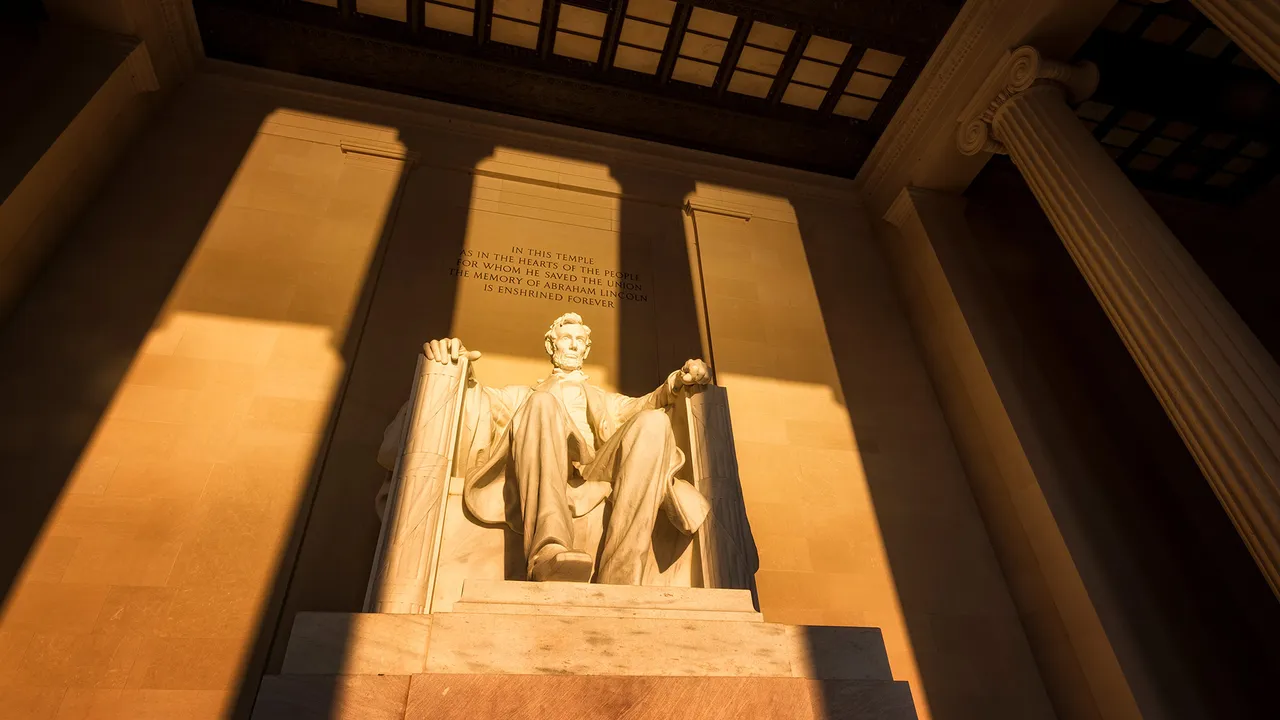
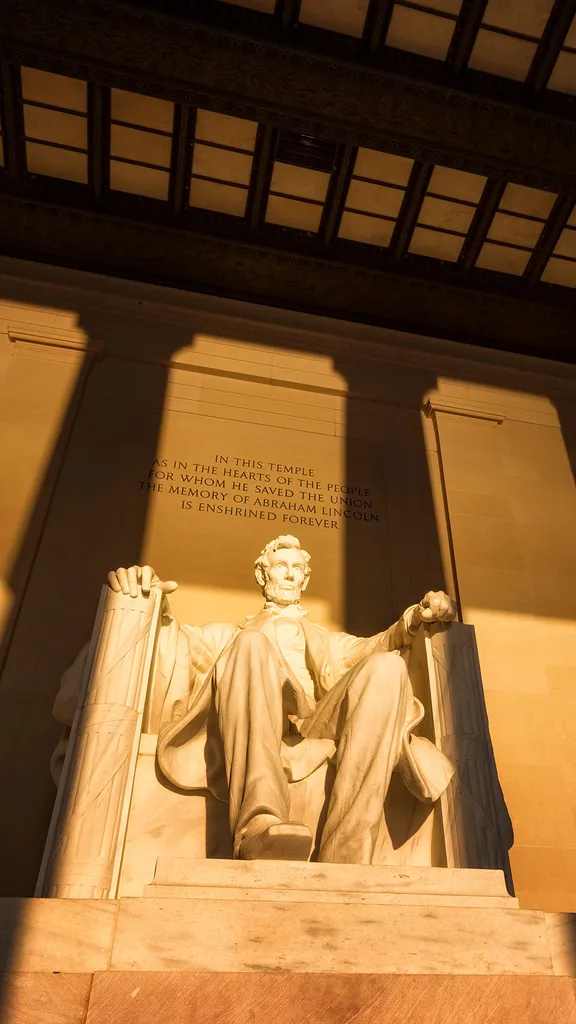
Pictured here, the Lincoln Memorial stands on the National Mall in Washington, DC, honoring the 16th president and his leadership during the Civil War. Presidents' Day invites reflection on how the presidency has influenced the nation's institutions and public life, linking early leadership to the role the office continues to play in the United States today.