Royal Bengal tiger
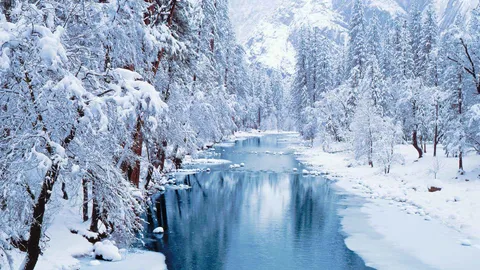
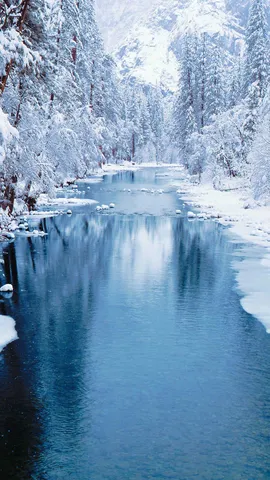
Bengal tigers are surprisingly at ease in water, often slipping into rivers or creeks to travel or cool down a behaviour especially common in mangrove landscapes like the Sundarbans.
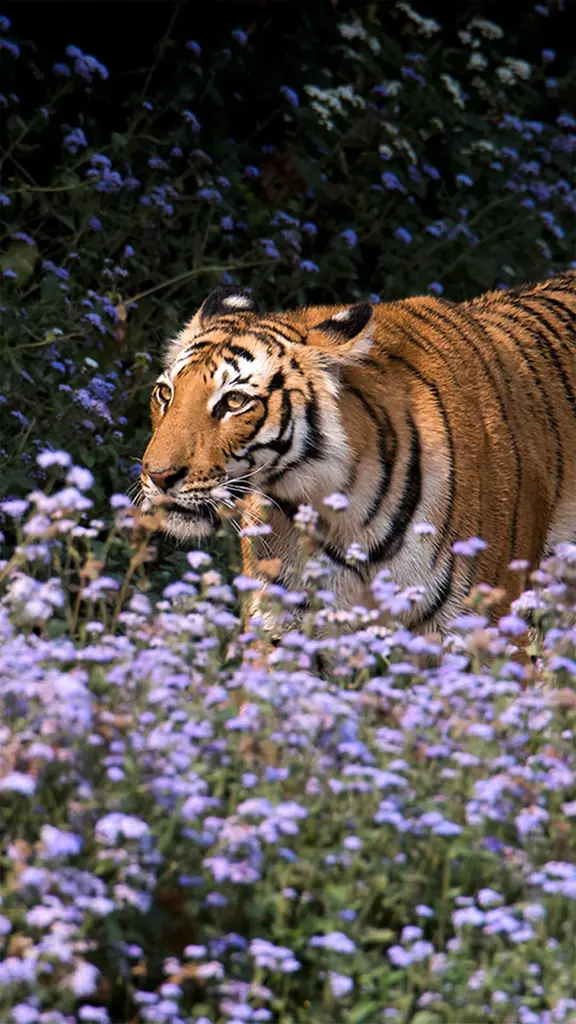
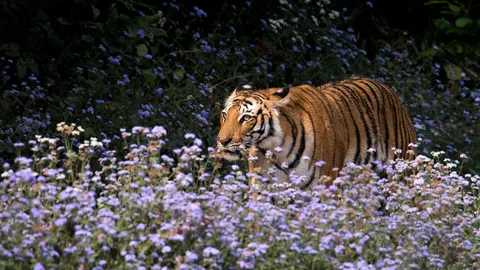
Tigers reshape the landscape without being seen. A single presence, and the forest rearranges itself around it. The Royal Bengal tiger moves through India's forests, grasslands and mangrove swamps with a quiet authority that no other predator matches. It hunts with patience, not spectacle, using scent marks, sharpened senses and near-perfect night vision to stalk deer and wild boar. When it strikes, it does so with a finality that explains why no other creature in the wild dares contest its ground.
India is home to the world's largest wild population of Bengal tigers because it refused to let the species fade into memory. By the 1970s, numbers were falling fast, and Project Tiger was launched to protect remaining habitats and breeding grounds. The programme forced a turning point, protecting landscapes where tigers could breed, travel and hold territory again. But the fight is not over. Shrinking forests, poaching and fragmented corridors still challenge every gain, disrupting the balance apex predators bring to their ecosystems. A thriving tiger range keeps prey numbers stable and forests healthier, making the species a measure of the land's well-being. Saving the tiger is not only about preserving an icon, but also about keeping India's wild heart beating.