Christmas Bird Count
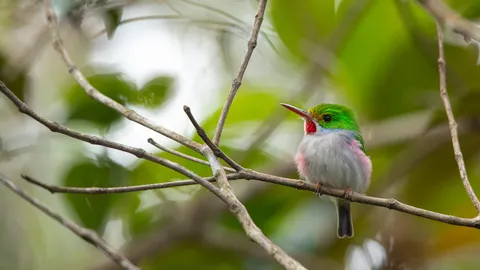
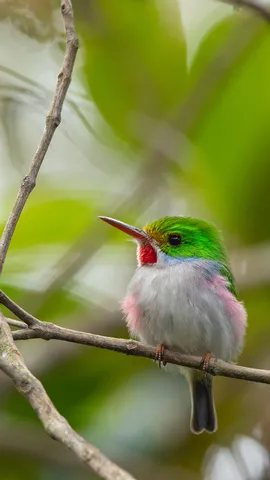
Hummingbirds are the only birds with the ability to fly backward and hover in place.
Each December, thousands swap wrapping paper for binoculars and step outside for a different kind of holiday tradition: the Christmas Bird Count. Started in 1900 by ornithologist Frank M. Chapman, the count offered a peaceful alternative to the Christmas 'side hunts,' where people competed to shoot the most animals. Chapman had a better idea: to count them instead. Over a century later, that simple shift has grown into the world's longest-running citizen-science project.
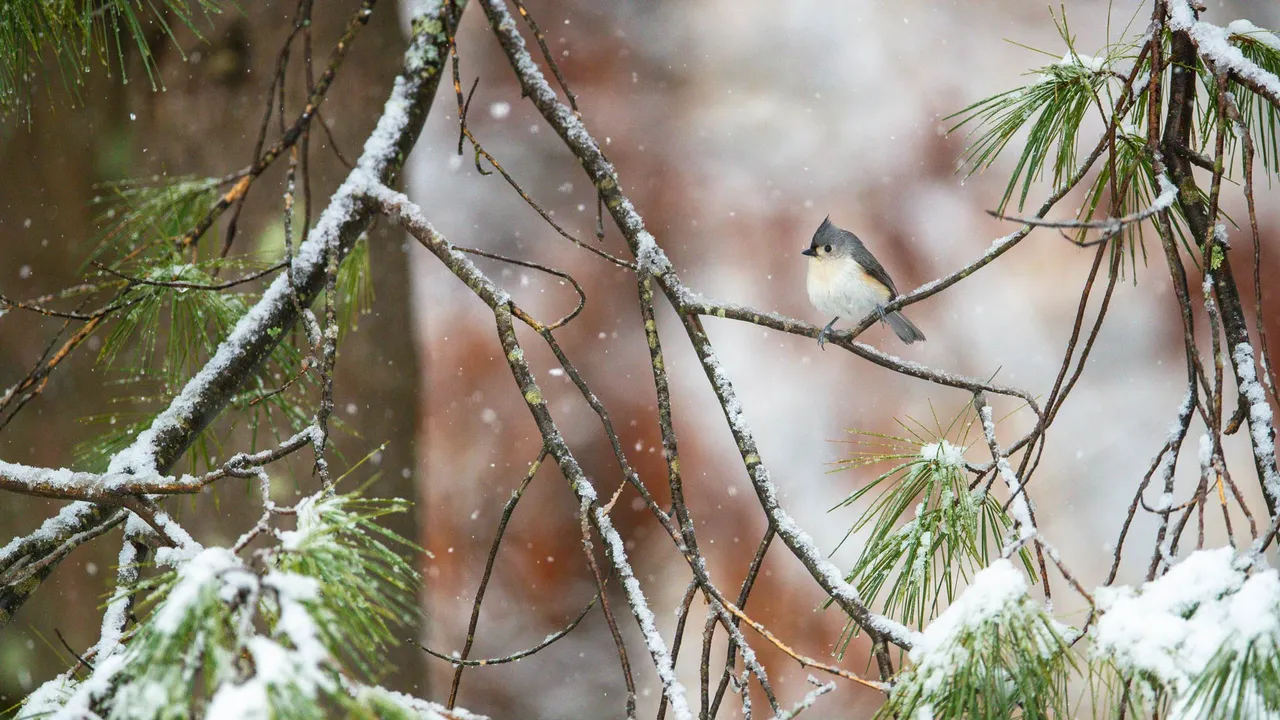
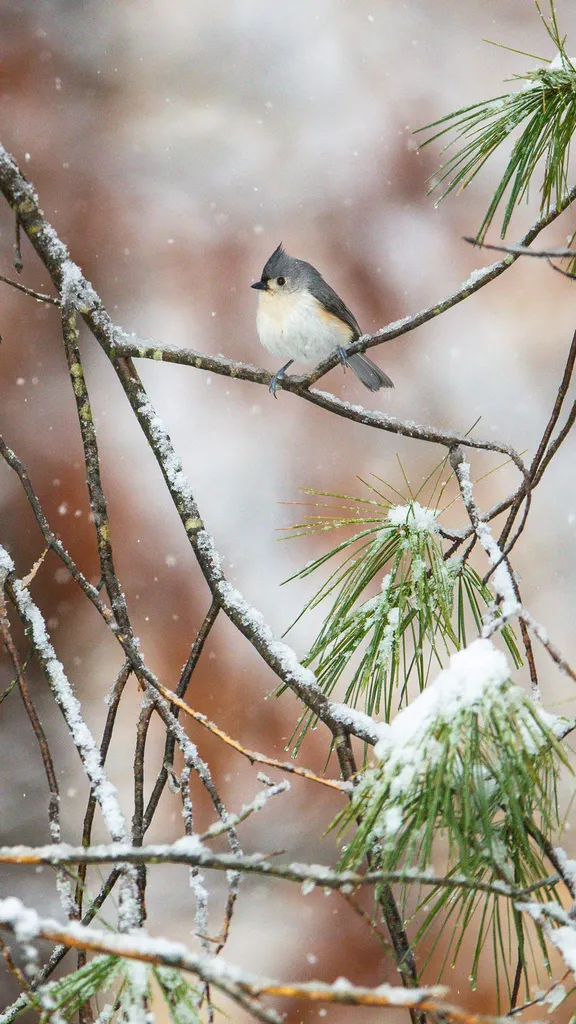
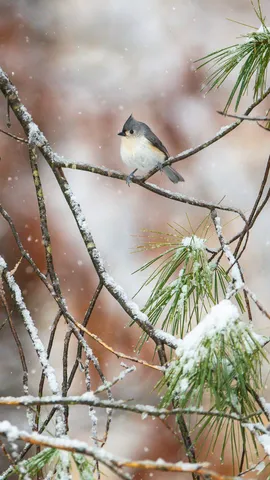
Between December 14 and January 5, birders across the Americas head into designated 24-kilometre count circles to record every bird they see or hear. They log species ranging from chickadees to hawks—and even tufted titmice (seen in today's image). In Canada, the count is jointly coordinated by Birds Canada and the Audubon Society, bringing together thousands of volunteers from coast to coast. From urban parks to quiet rural routes and snowy forests, Canadians bundle up to document winter bird populations. Their observations help track long-term trends—from shifting migration patterns to changes in species distribution linked to climate and habitat loss. For many, it's now a holiday ritual—a chance to step outside, support science and join a continent-wide tradition.