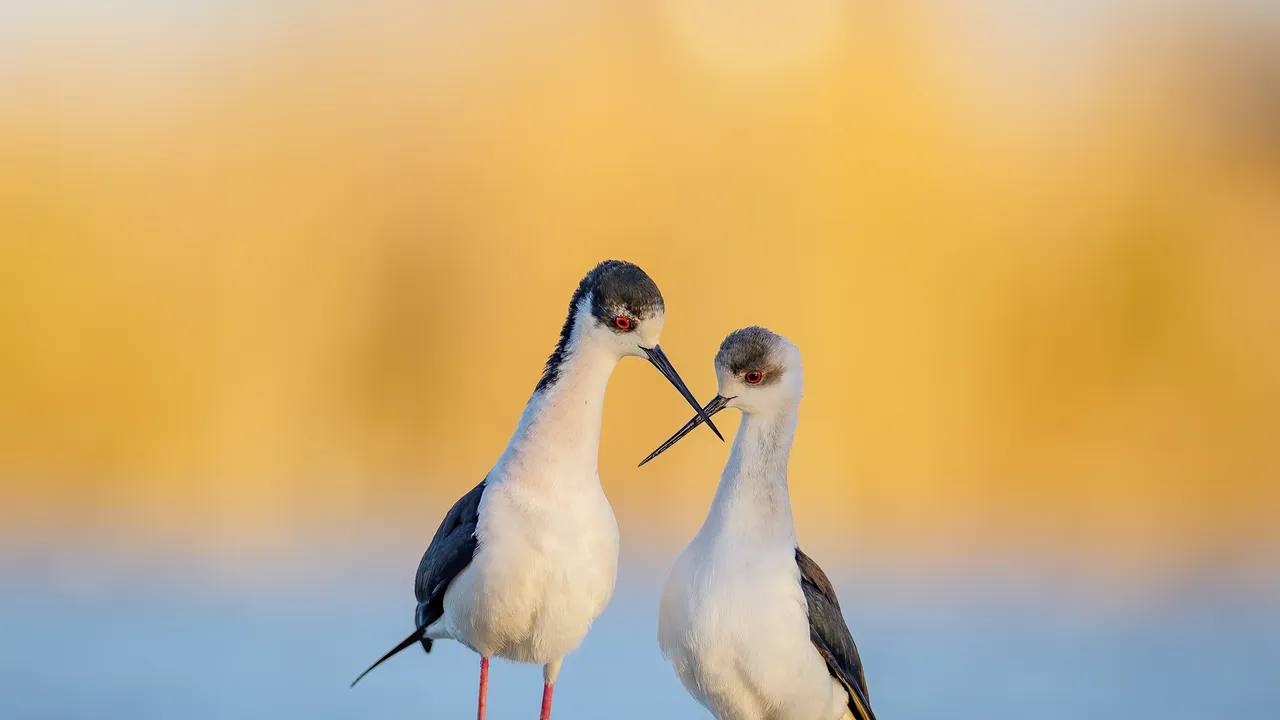
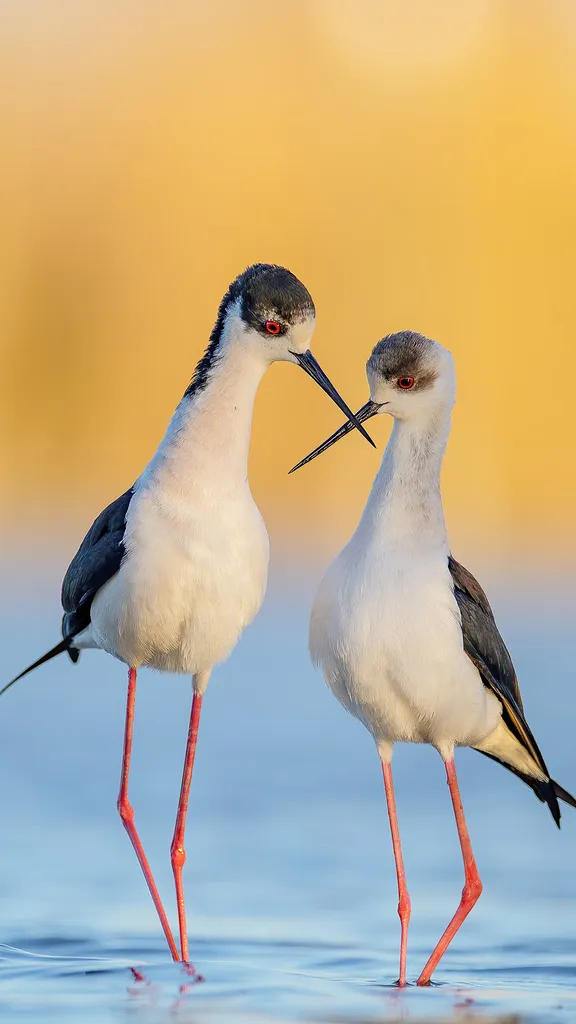
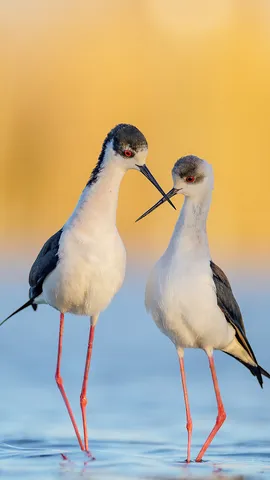
Black-winged stilts, France
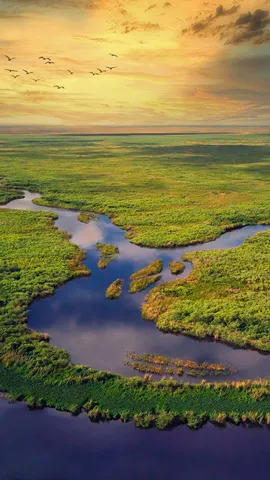
Across the shimmering lagoons of Africa, the winding deltas of Asia and the salt marshes of southern Europe, a graceful figure emerges, poised delicately between water and sky. The black-winged stilt, with its long, slender red legs, moves with quiet elegance through the shallows. Their presence sometimes evokes a quiet intimacy—two birds drifting close, their movements mirroring one another in a delicate choreography, as if sharing a secret only the wetlands can hear. They hunt with quiet precision, gently picking insects, larvae and tiny crustaceans from the water's surface. Each movement reveals a subtle mastery of their environment, shaped by patience and instinct.
But these birds are more than graceful wanderers. Nesting on bare ground, vulnerable to rising waters and human disturbance, they are living indicators of ecological health. Their presence signals balance; their absence, a warning. To protect the stilts is to protect the fragile harmony of wetlands—those shimmering worlds where life breathes in silence. In their reflection, we see not only beauty, but the urgent need to care for the places that still hold it.