Alaska National Interest Lands Conservation Act anniversary
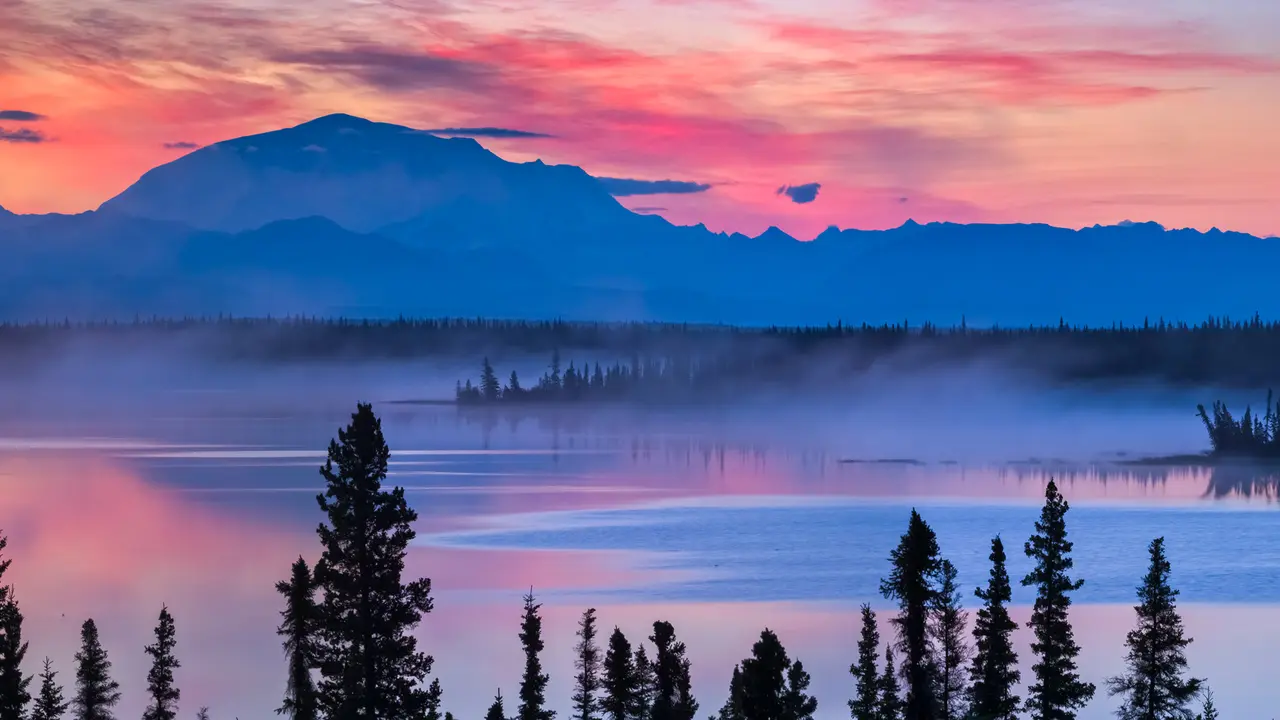
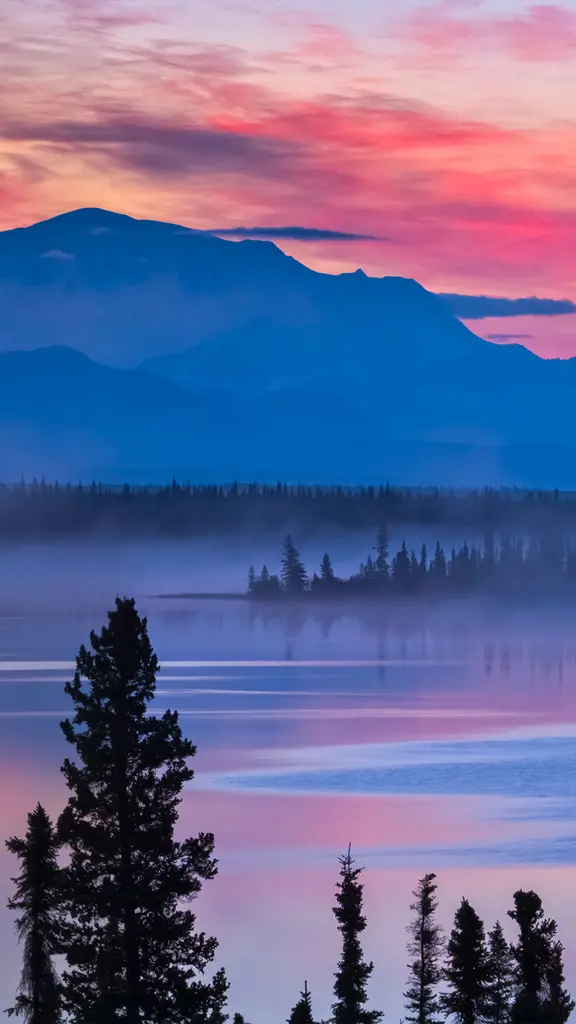
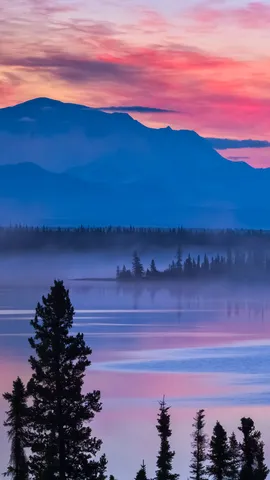
On December 2, 1980, the Alaska National Interest Lands Conservation Act (ANILCA) reshaped America's conservation history. With one sweeping law, more than 104 million acres of Alaska's wild lands gained lasting protection, like the Wrangell–St. Elias National Park and Preserve, seen here, now the largest national park in the United States. ANILCA balanced preservation with tradition, safeguarding ecosystems while honoring rural subsistence rights.
Wrangell–St. Elias is a realm of extremes: its glaciers sprawling like frozen rivers, volcanic peaks piercing the sky. Among them stands Mount Blackburn, a 16,390-foot sentinel of ice and ancient fire. Its snow-mantled slopes feed vast glacier systems, a silent monument to geological time. Just beyond the park boundary, Willow Lake rests in the Copper River Basin—a roadside jewel along the Richardson Highway. On clear days, its glassy surface reflects the Wrangell Mountains in a panorama that feels endless: Blackburn's white shoulders rising against cobalt skies, mirrored in still waters where swans drift like living brushstrokes. This view tells ANILCA's story without words—a law that turned landscapes into legacies.