Remembrance Sunday
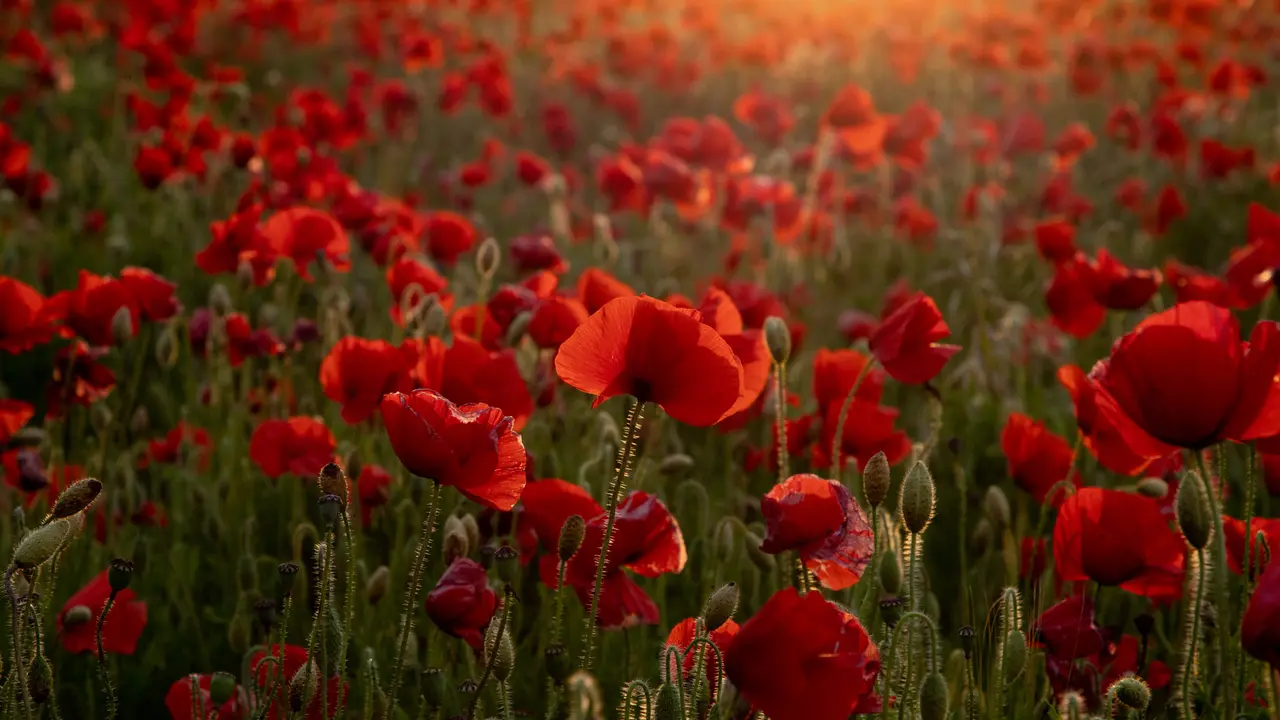
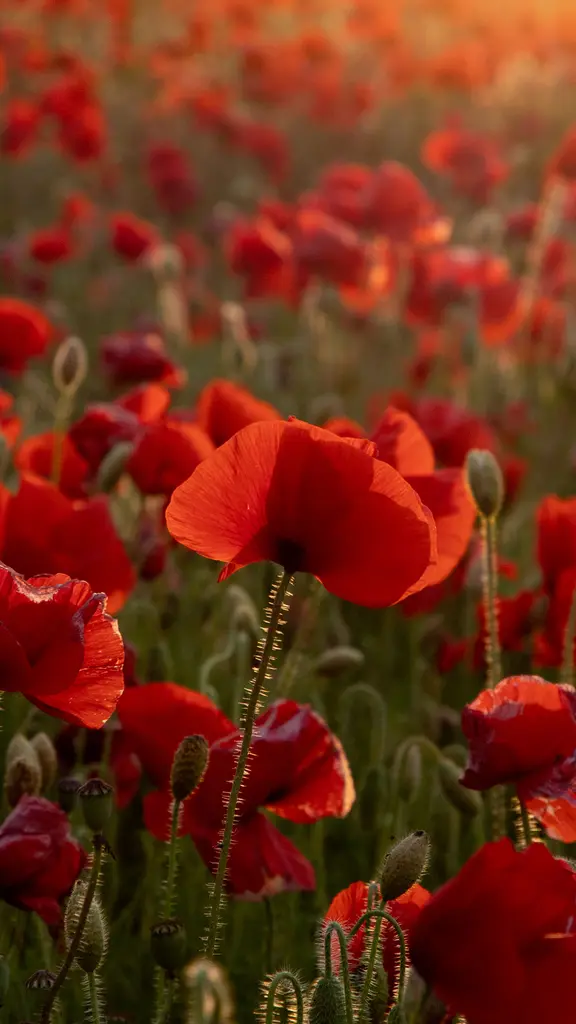
The red poppy was one of the only flowers that could grow in the disturbed earth of the World War I battlefields.
Every second Sunday of November, the United Kingdom presses pause. Shops may buzz, trains may run, but at 11 a.m., the nation falls silent. For two minutes, the usual noise of life is replaced by a collective stillness. This is Remembrance Sunday—a day less about 'time off' and more about 'time out' to reflect.
The tradition began after the First World War, when the Armistice was signed on 11 November, 1918. What started as Armistice Day became a broader day of remembrance for all who served and sacrificed in conflicts since. The red poppy, inspired by Lieutenant-Colonel John McCrae's poem, 'In Flanders Fields,' blossomed into the symbol we see pinned on lapels each autumn.
The day is marked by services at war memorials across towns and villages, with the Cenotaph in London serving as the focal point. Here, members of the Royal Family, political leaders, veterans and representatives of the armed forces lay wreaths of poppies. Remembrance Sunday also has its quieter corners: local parades, school assemblies and even a neighbour's small poppy garden all echo the same message—gratitude doesn't need grandeur.