
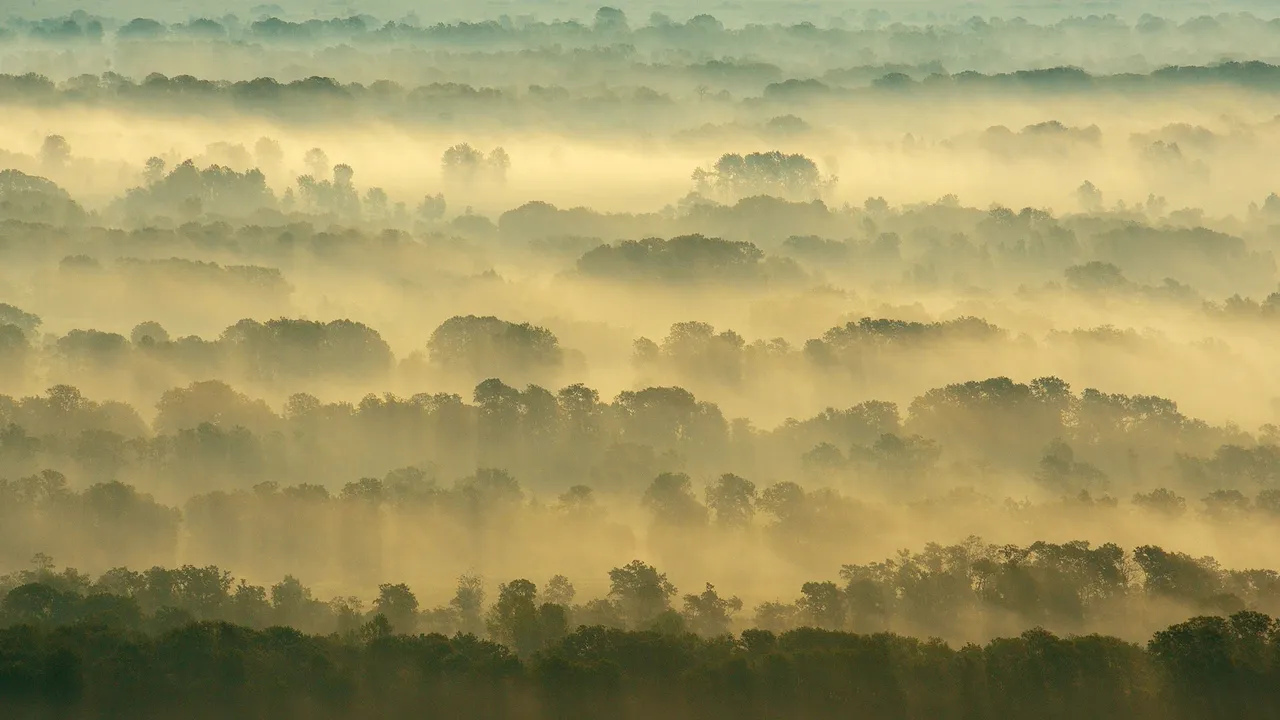
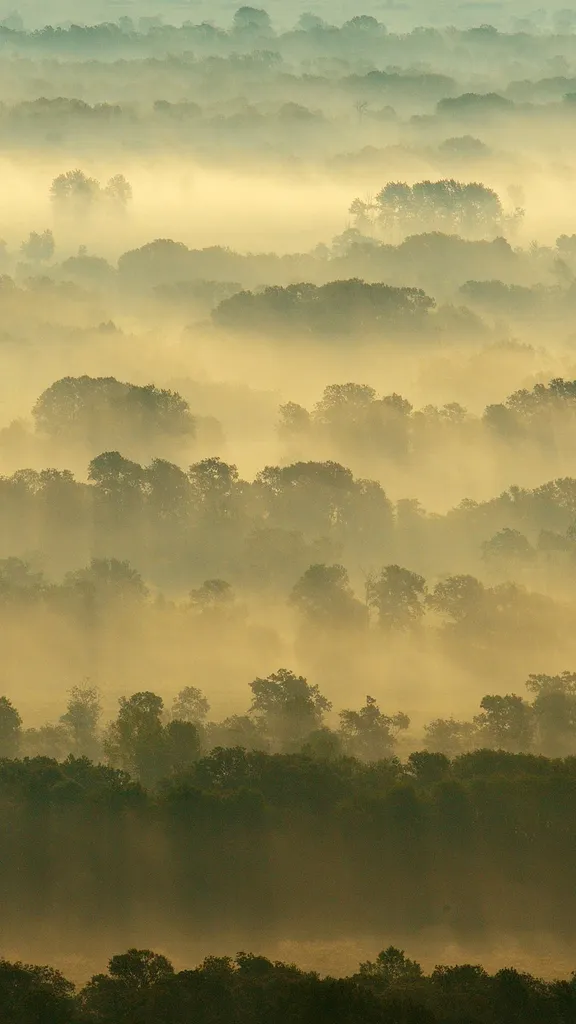
Letea Forest, Danube Delta, Romania (© Wild Wonders of Europe/Widstrand/Nature Picture Library)
The UN FAO estimates that about 24.7 million acres (10 million hectares) of forest are cut down each year.
If Earth had a maintenance crew, forests would be spearheading it. They absorb carbon emissions, reduce soil erosion, safeguard biodiversity, influence rainfall and help maintain clean water supplies. They still cover about 31% of the world's land area, yet their continued decline shows how vulnerable these natural systems have become. Vast stretches continue to be cleared for agriculture, infrastructure and resource extraction, weakening ecosystems at an alarming rate.
The International Day of Forests, observed every March 21, was established by the United Nations in 2012 to raise awareness and inspire meaningful action. Governments, organisations and communities mark the day through local action—planting trees, sharing research and promoting sustainable forestry.
Those actions take on added meaning in forest nations like Canada. From community tree-planting to protecting old-growth ecosystems, stewardship here helps sustain carbon storage, biodiversity and the livelihoods that reach far beyond national borders.