
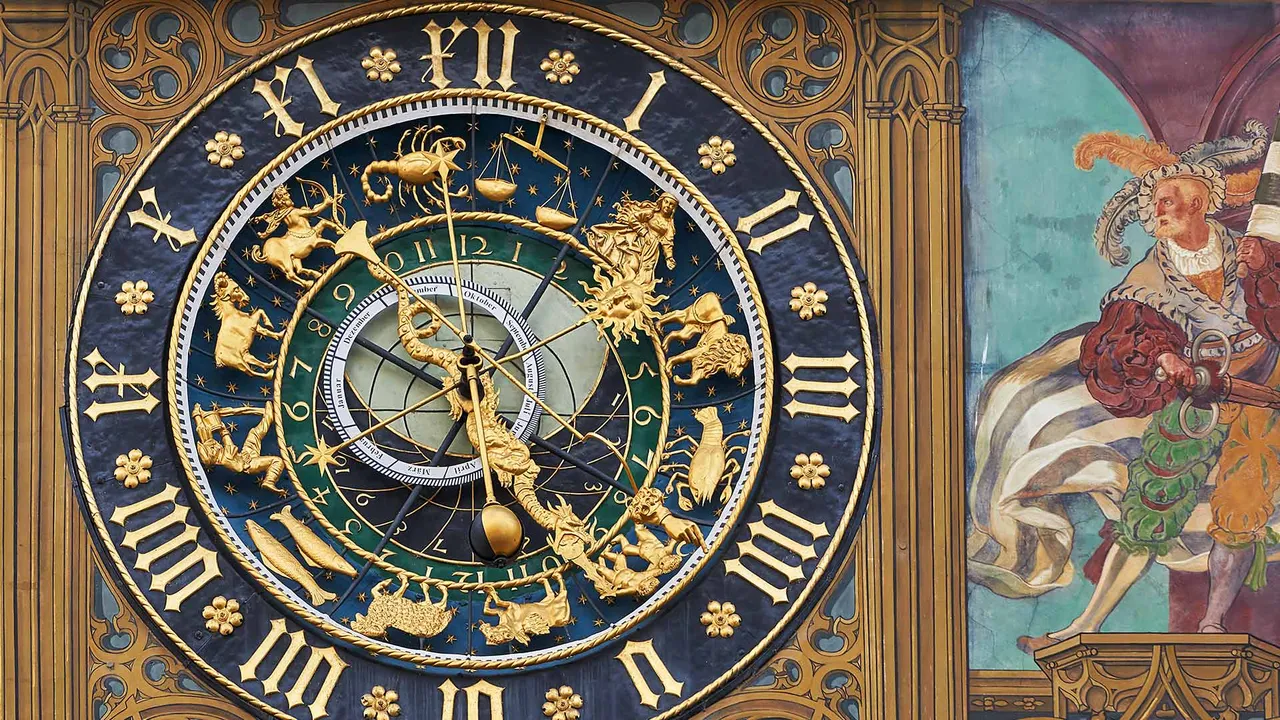
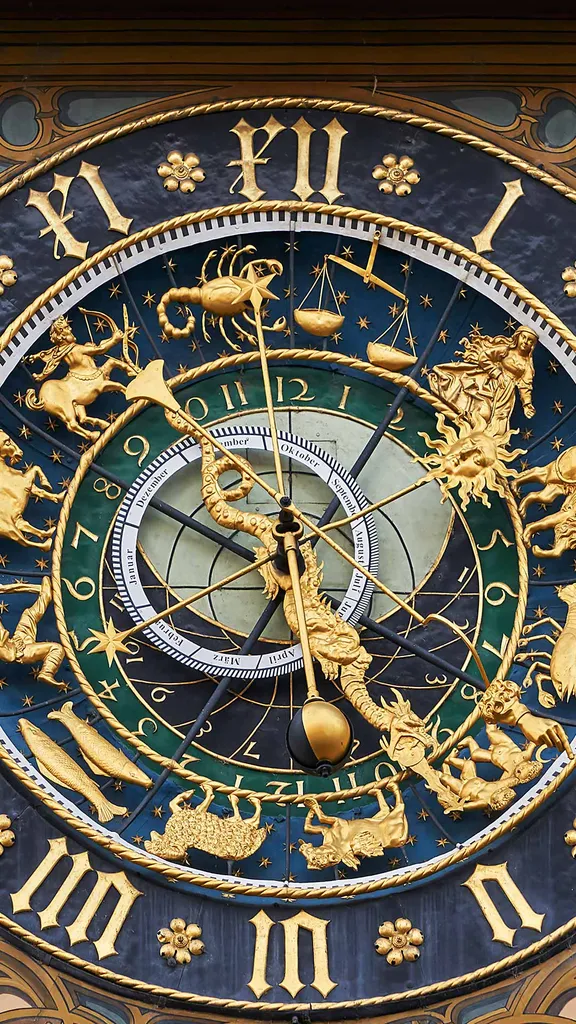
Astronomical clock at Town Hall of the City of Ulm, Germany (© Tomekbudujedomek/Getty Images)
Every March, Daylight Saving Time begins in most of the United States, shifting clocks forward to maximize daylight. The idea can be traced back to 1784, when Benjamin Franklin humorously suggested earlier rising to conserve candle use. The US adopted Daylight Saving Time much later in 1918 as an energy-saving measure during World War I. After years of uneven observance, the Uniform Time Act of 1966 established a nationwide standard for seasonal clock changes. While most states observe Daylight Saving Time today, Hawaii and Arizona (with the exception of the Navajo Nation) do not, citing minimal daylight variation and climate concerns. Several US territories also remain on standard time year-round.
Today's image shows the astronomical clock on Ulm's Town Hall in Germany. Installed in the 16th century, it tracks solar and lunar cycles rather than legal time, reminding us that daylight itself is governed by astronomy—not by clocks adjusted for modern schedules.