
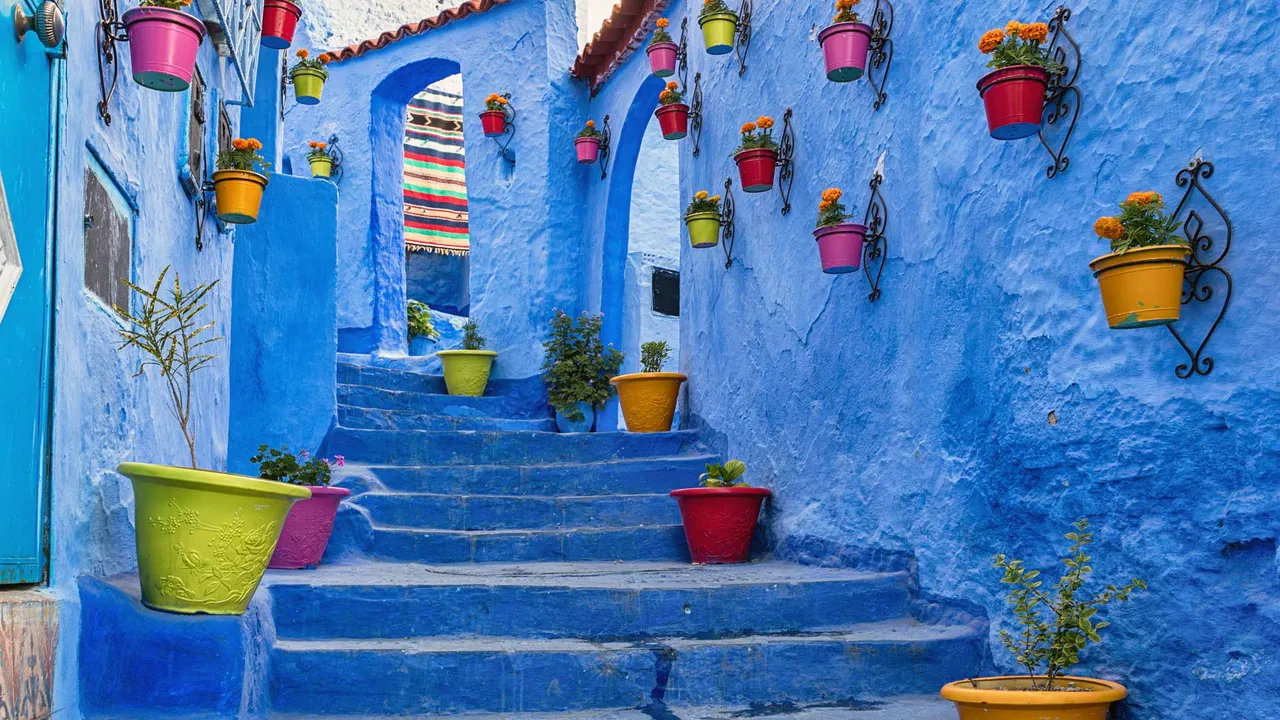
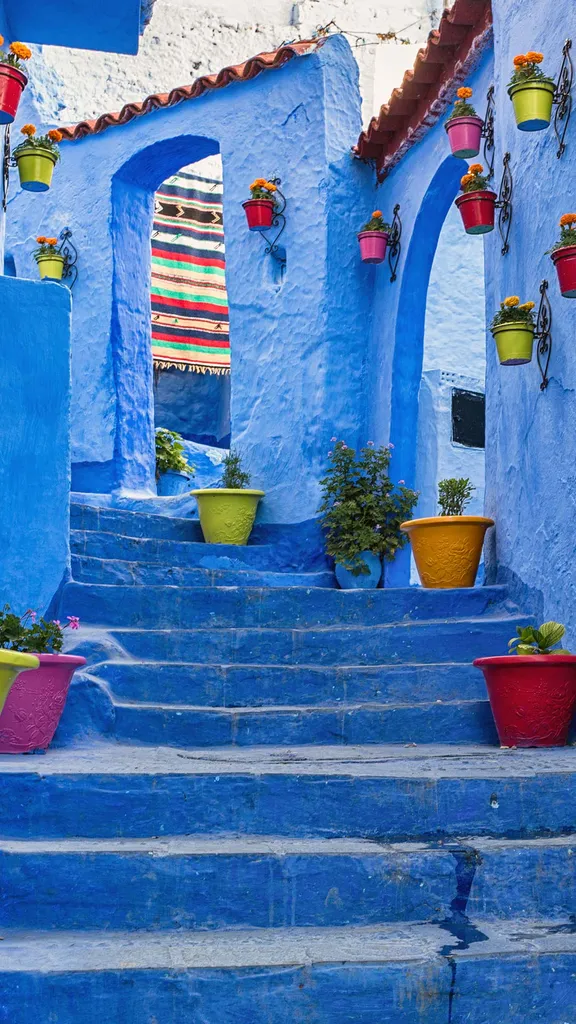
Blue walls of Chefchaouen, Morocco (© AnetteAndersen/Getty Images)
On January 11, 1944, Morocco took a bold step toward freedom. Sixty-six leaders signed the Proclamation of Independence, demanding an end to French and Spanish colonial rule and affirming the country's right to sovereignty. This manifesto, backed by Sultan Mohammed V, was presented not only to colonial authorities but also to representatives of the US, UK, and the former Soviet Union—a signal that Morocco's struggle was part of a global call for self-determination. Though repression followed, the movement endured, and by 1956 Morocco achieved full independence, marking a turning point in North African history.
Today, that spirit of resilience echoes in Chefchaouen, the 'Blue Pearl' of the Rif Mountains. Founded in the 15th century as a fortress against Portuguese incursions, the city later adopted its signature blue palette—a tradition some trace to Jewish influence and others to Andalusian roots. Wandering through its serene alleys, where indigo walls meet crisp mountain air, feels like stepping into a living canvas—a reminder that Morocco's story is painted in courage, culture, and color.