
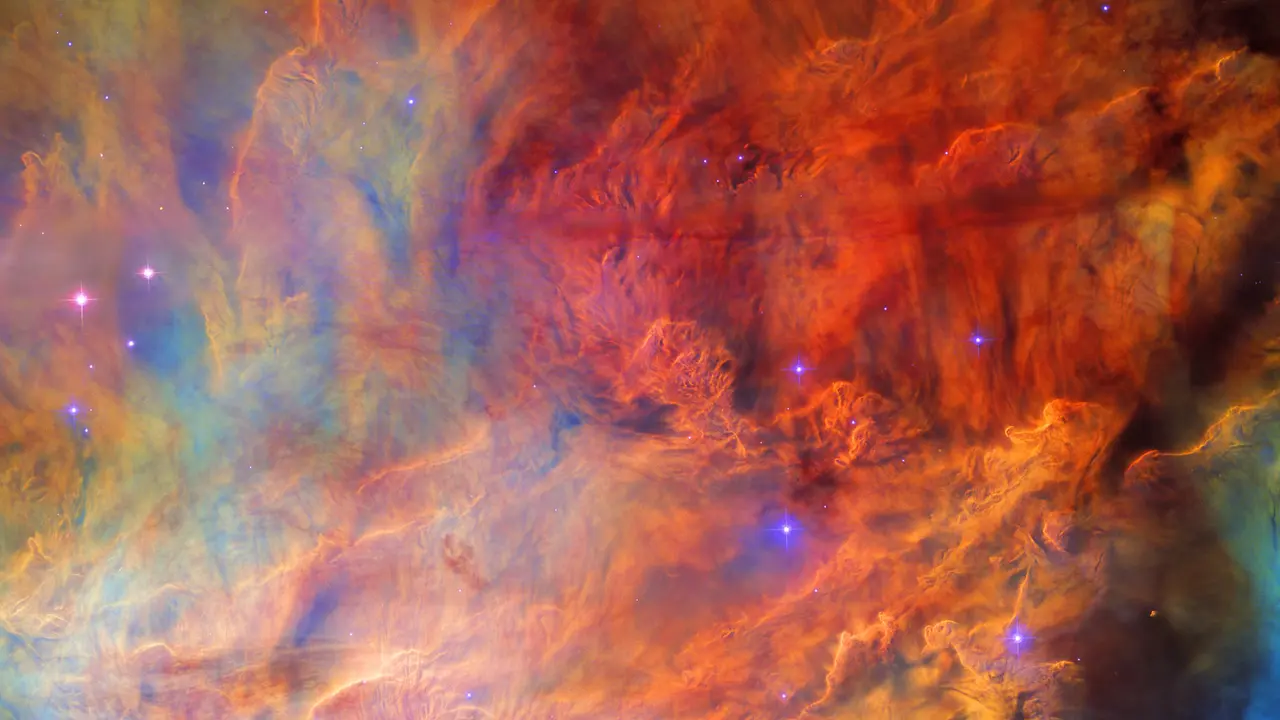
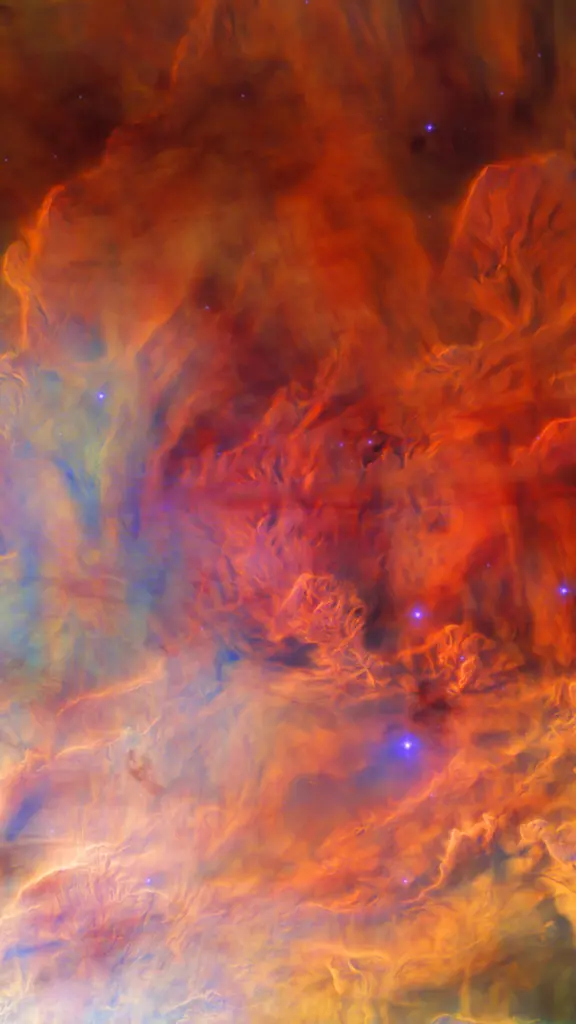
Interstellar clouds in the Lagoon Nebula, captured by the Hubble Space Telescope (© ESA/NASA)
Carl Sagan co-founded the Planetary Society in 1980, now the world's largest space-advocacy organisation.
The universe hums with creation. Featured here, in the Lagoon Nebula, a cluster called NGC 6530 is kindling newborn stars, a glowing reminder that beginnings are woven into the fabric of the cosmos. About 4,350 light-years away and a few million years old, it is a stellar formation still in its earliest chapter. It's the kind of sight that once drew astronomer Carl Sagan's attention—a glimpse into how the universe continues to build itself, star by star.
Sagan's legacy spans NASA's Voyager missions and the Golden Record to his Cosmos television series, inspiring millions to see science as both reason and a source of endless possibilities. In India, that legacy endures through planetariums and science centres—from the Nehru Planetarium in Delhi to the Birla Science Centre in Hyderabad—where his ideas continue to inspire new generations to look upward and wonder. At Cornell University, home to the Carl Sagan Institute, that same curiosity drives the search for habitable worlds and the celebration of cosmic discovery.
In the night sky, NGC 6530 offers a fitting tribute: a nursery of suns forming within clouds of gas and dust, echoing Sagan's reminder that 'We are made of star stuff.'