
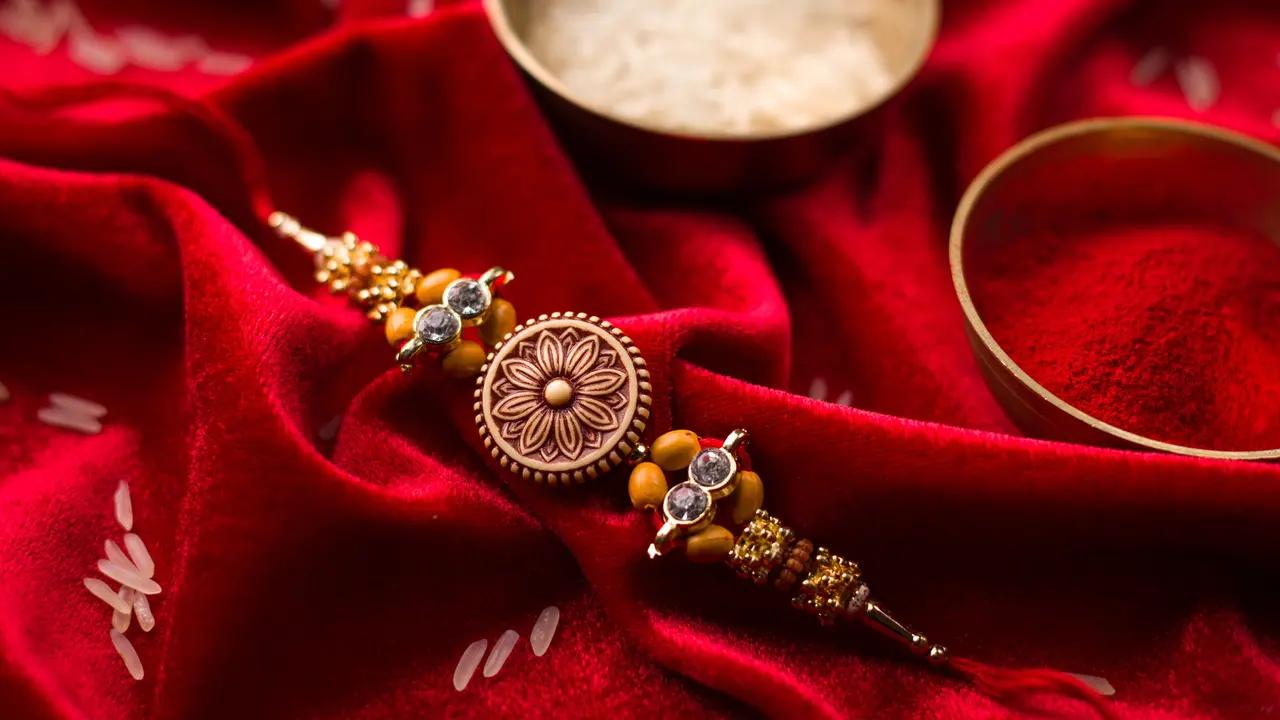
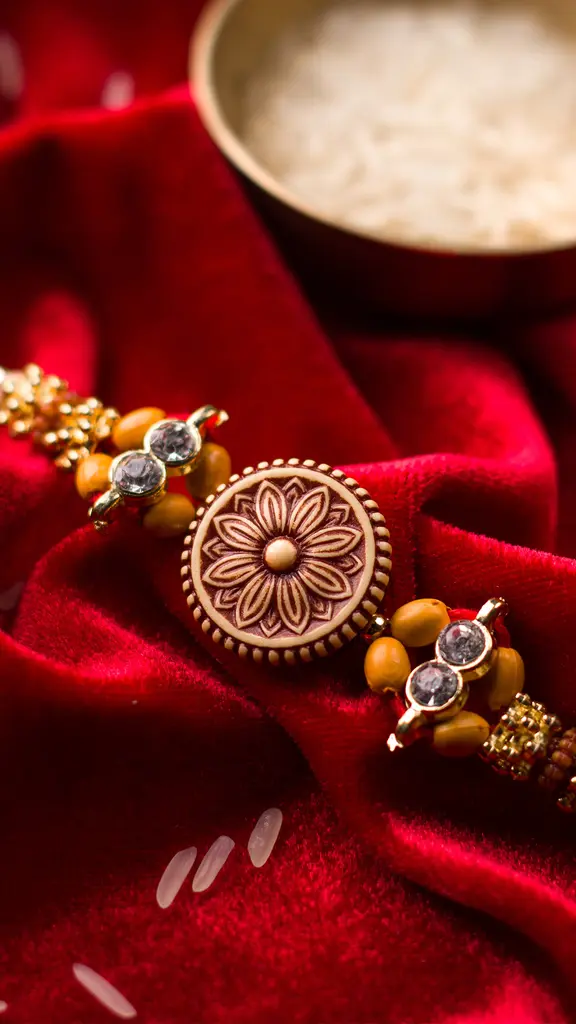
A rakhi (© Seemanta Dutta/Getty Images)
Raksha Bandhan is celebrated not just in North India, but also across Central and Western India, Nepal and Hindu communities overseas, including Fiji.
Some bonds go beyond words—they're tied, like the timeless connection between brothers and sisters. Featured here is a rakhi—a ceremonial thread that symbolises love, protection and the bond between siblings. Traditionally made from simple cotton, today's rakhis have become colourful and ornate, woven with beads, sequins and creative designs. The ritual of tying a rakhi is at the heart of Raksha Bandhan, a festival widely celebrated across South Asia, especially in Hindu households.
The origins of this tradition trace back to stories from the 'Mahabharata,' one of Hinduism's most revered ancient epics. Among them is the tale of Krishna and Draupadi, which beautifully captures the spirit of Raksha Bandhan. When Krishna once injured his finger, Draupadi—moved by affection—tore a strip from her saree and gently tied it around his wound. In return, Krishna vowed to protect her whenever she needed help. True to his word, he later came to Draupadi's aid during her time of greatest distress. This legend is one of the many reasons why, even today, the act of tying a rakhi is much more than a ritual.