
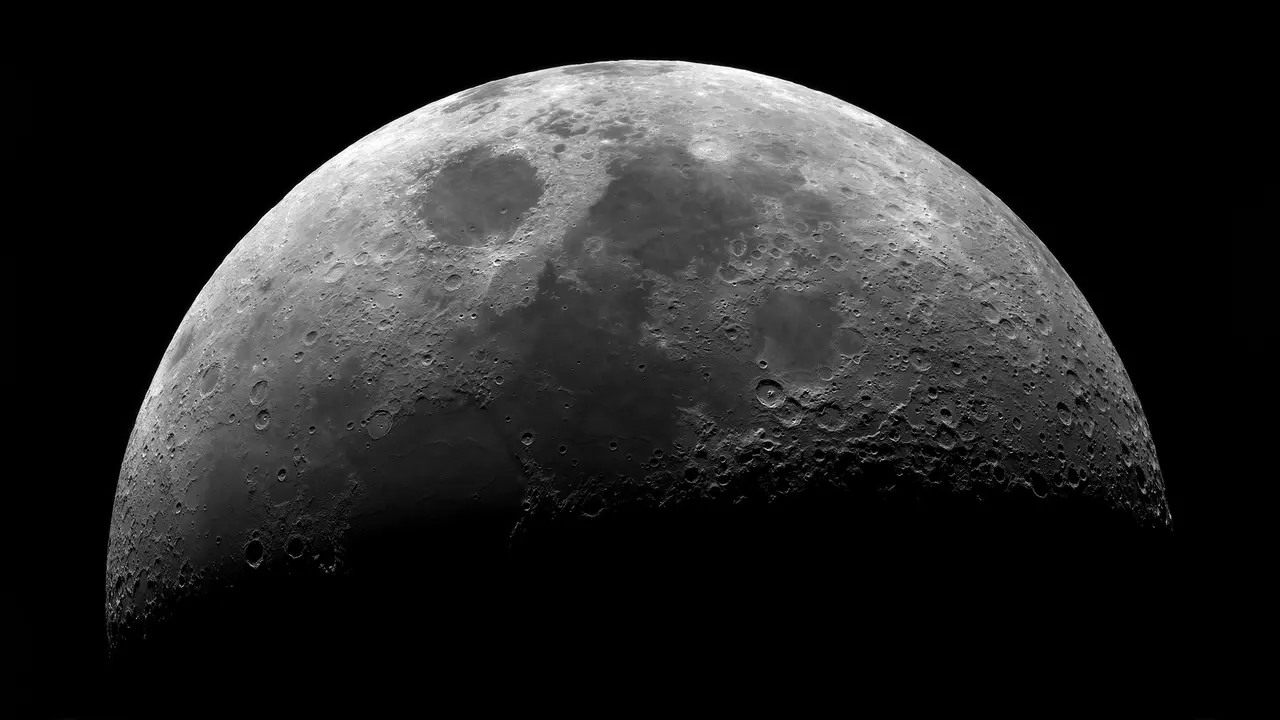
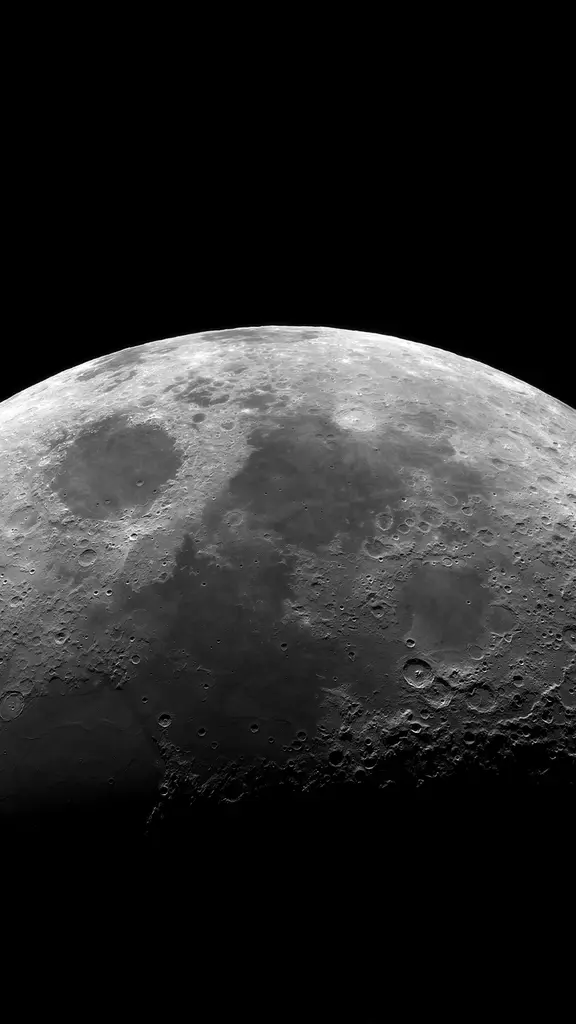
The moon's surface seen through a telescope (© Sergey Kuznetsov/Getty Images)
You could jump about six times higher on the moon than on Earth—thanks to its weaker gravitational pull.
Every July 20, we celebrate Moon Day, marking the historic moment when Neil Armstrong first stepped onto the moon in 1969. With his iconic words, 'That's one small step for man, one giant leap for mankind,' Armstrong became the first human to walk on the moon, followed by Buzz Aldrin. The moon landing was the result of US President John F. Kennedy's bold 1961 goal to send a man to the moon and return him safely before the decade's end. Apollo 11 launched from Kennedy Space Centre, Florida, on July 16, 1969, reaching lunar orbit by July 19. On July 20, the Eagle lunar module touched down, and the world held its breath as history unfolded.
India, too, has been reaching for the moon in its own pioneering way. The Chandrayaan programme, with its name derived from the Sanskrit layers, for moon (Chandra) and craft or vehicle (Yāna), is India's ongoing lunar exploration initiative led by the Indian Space Research Organisation (ISRO). The programme includes a series of missions featuring a lunar orbiter, an impactor, a soft lander and a rover designed to study and explore the moon.