
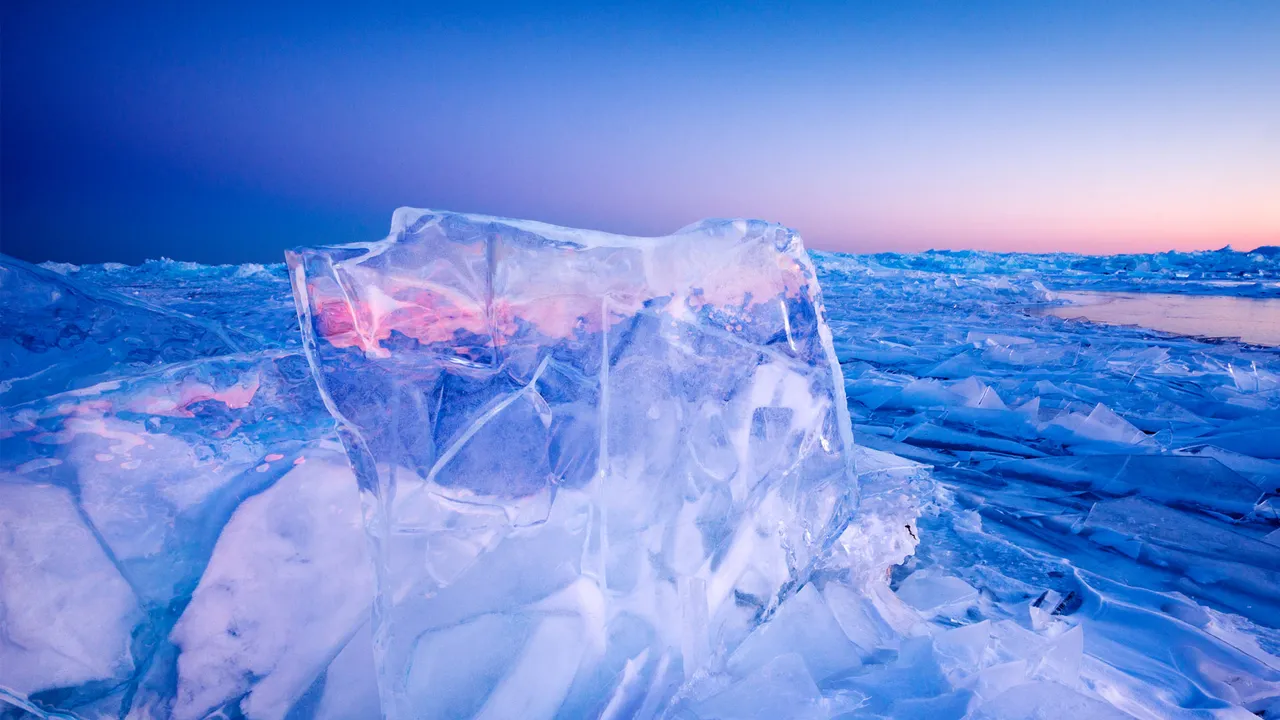
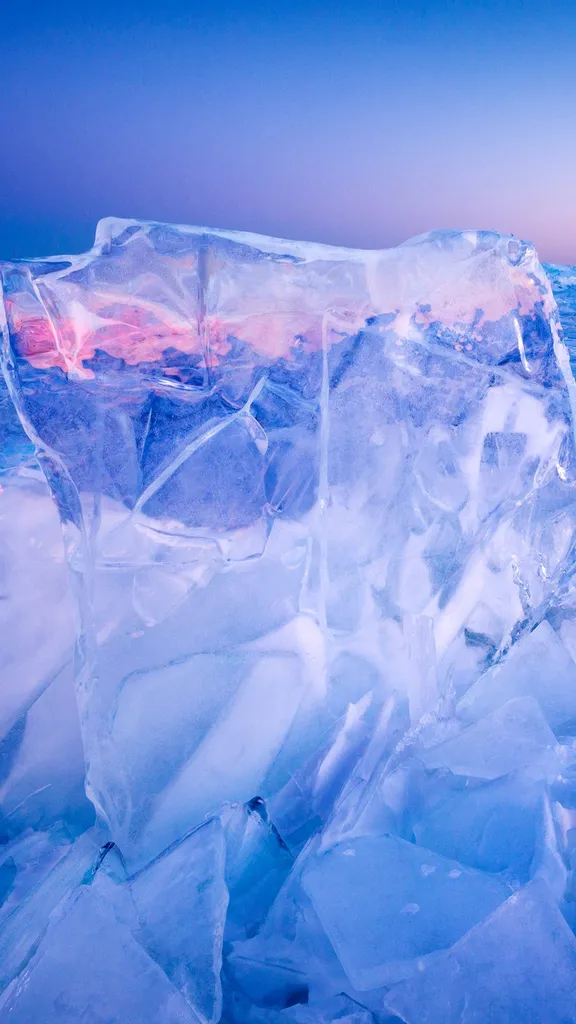
Plate ice along Lake Superior, Grand Marais, Minnesota, United States (© wanderluster/Getty Images)
When winter tightens its grip on Lake Superior in Minnesota, the shoreline transforms into a landscape of tilted, glass-like shards known as plate ice. Thin sheets fracture under shifting temperatures, then drift and stack as the wind presses them toward land. The result is a field of translucent blues and silvers, catching the light at sharp angles and making the water's edge appear sculpted rather than frozen.
Beneath the surface, waves keep moving, pushing the slabs against one another as they scrape, ring and groan. The sounds rise and fall with the motion, turning the shoreline into a fleeting, shifting performance. These formations can appear suddenly and disappear just as quickly, changing with every gust and temperature dip.
Lake Superior's immense scale shapes this phenomenon. As the world's largest freshwater lake by surface area, spanning over 82,000 square kilometres, its depth, wind patterns and temperature swings set the stage for this winter display. Its Ojibwe name, 'Gichigami,' from the Indigenous people of the region, reflects its long-standing reputation as a 'great sea.'