
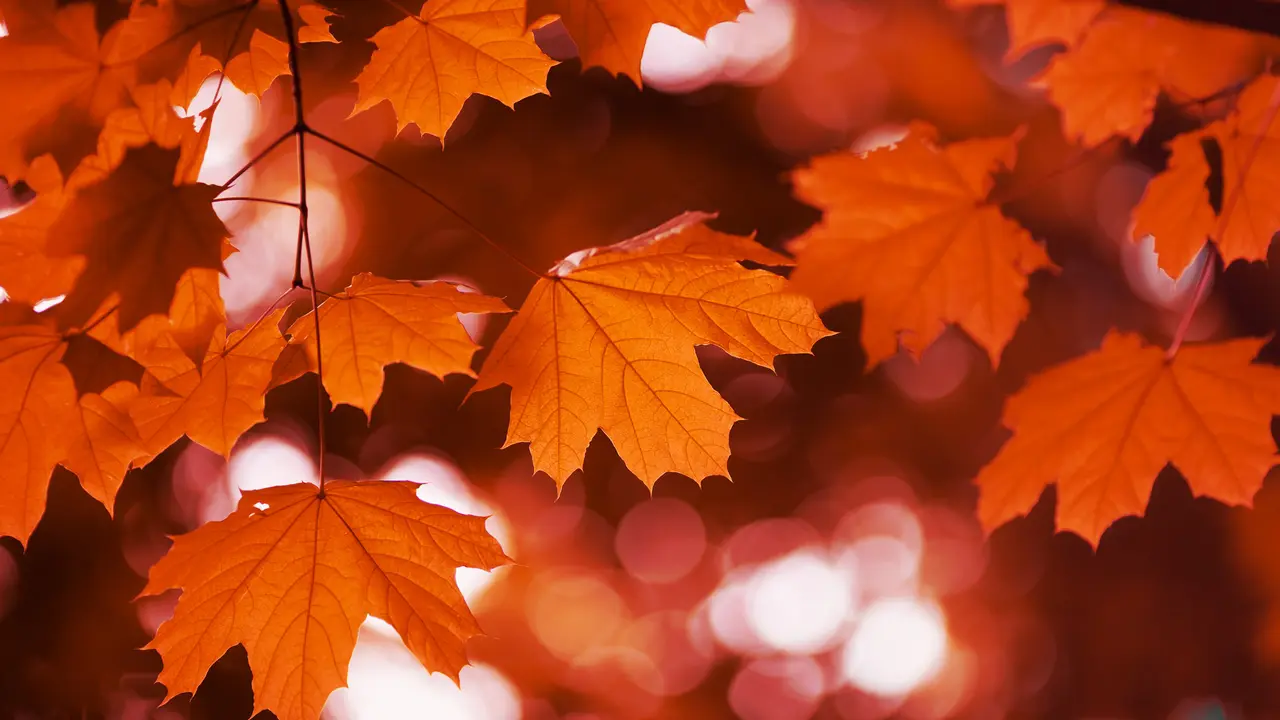
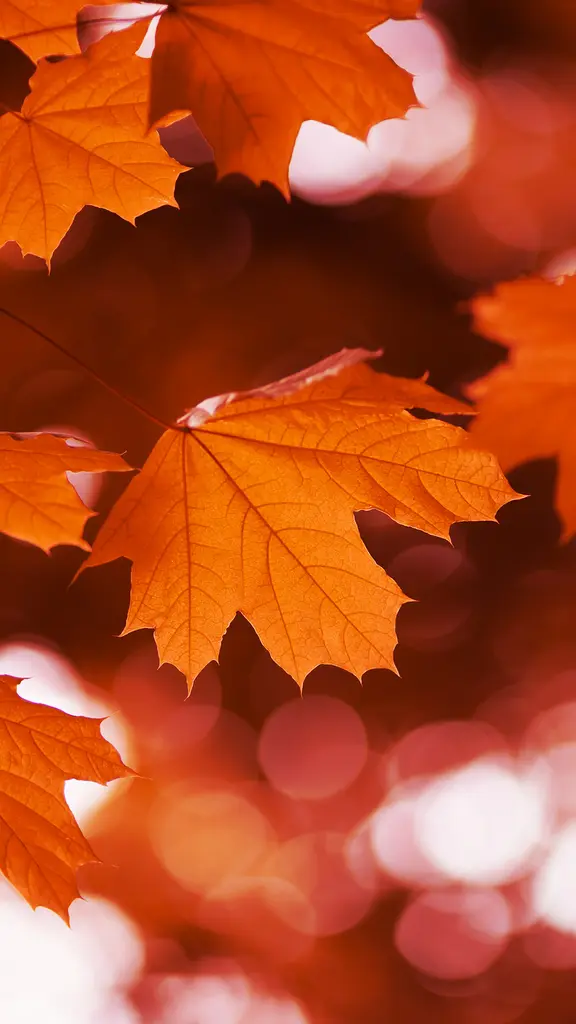
Red maple in fall, Canada (© LiuSol/Getty Images)
It can take as many as 50 years for a maple tree to grow large enough to tap for maple syrup production.
Ever wondered what gives those fiery red leaves their vibrant colour each fall? Meet the red maple, pictured here. This tree isn't just a pretty face—its sap is a key ingredient in Canada's famous maple syrup. Most syrup, however, comes from sugar maples, though black maples and red maples also contribute. Curious how? In spring, taps collect sap when nights are still freezing and days begin to warm. Boil it down, and what's left is the sweet syrup you drizzle on pancakes. Canada produces more than 70% of global maple syrup, with Quebec leading production.
As for those fiery leaves, that's anthocyanins at work—pigments that appear when green chlorophyll fades in cooler weather. Maple trees are also a source of hardwood for furniture, flooring and musical instruments. And no, it is not over yet. Canada's national symbol, the maple leaf, inspired Toronto's hockey team, the Maple Leafs. Spotted these trees on one of the series you binged? If you've seen the Korean drama 'Guardian: The Lonely and Great God' you probably caught Quebec's Parc Samuel-Hollande, where red leaves stole the scene.