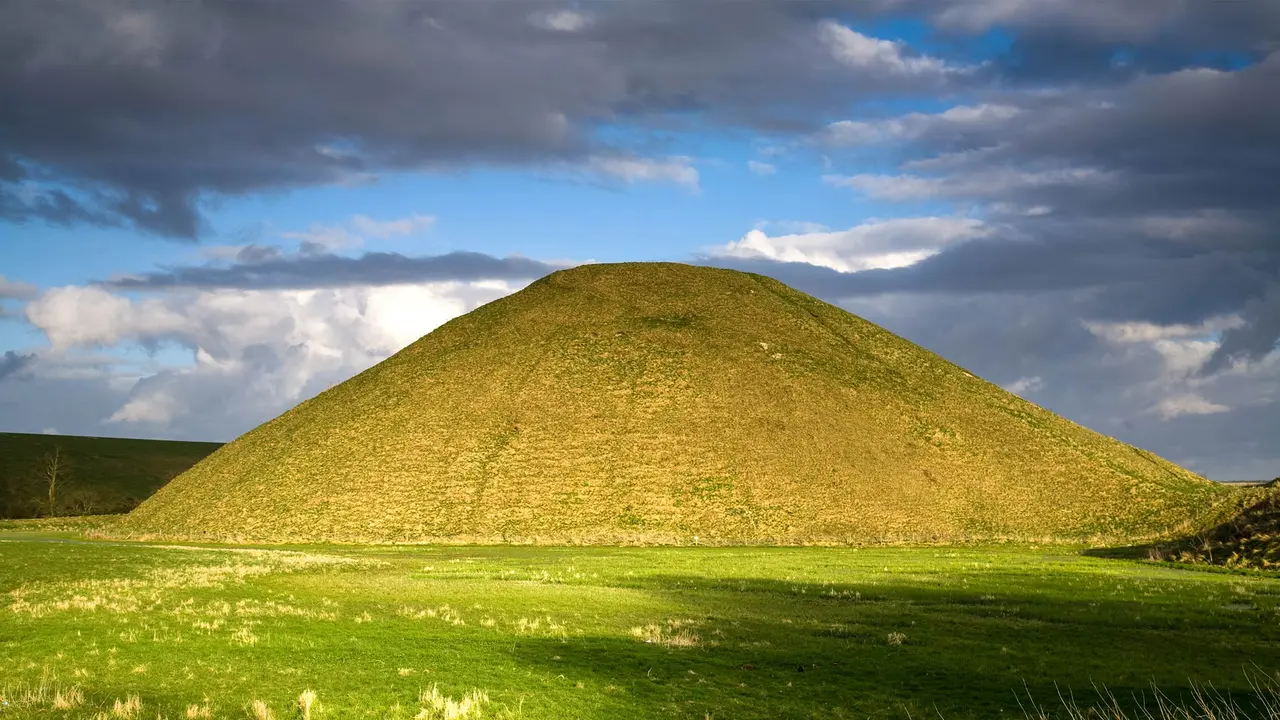
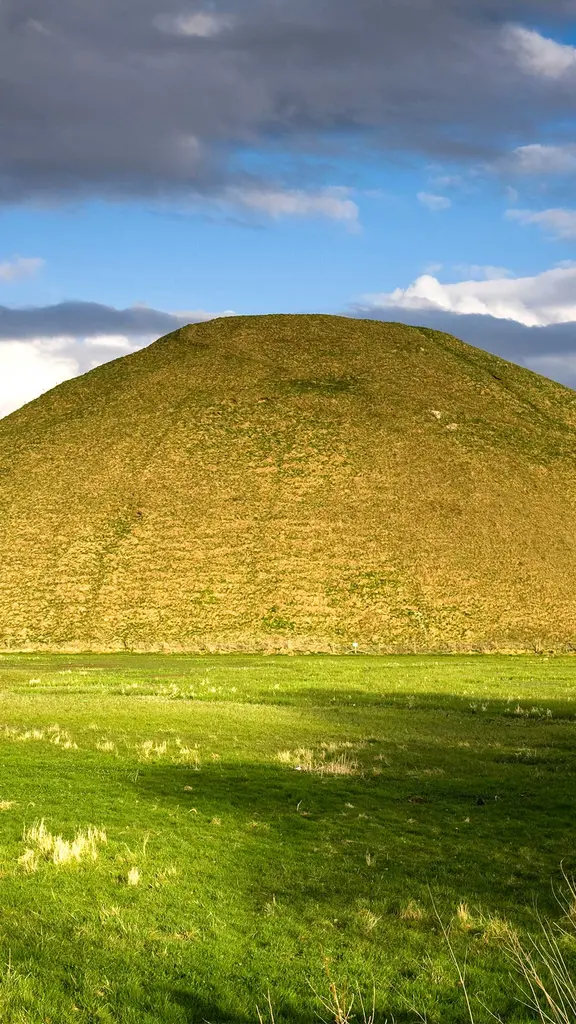
Neolithic site of Silbury Hill, Tilshead, Wiltshire, England
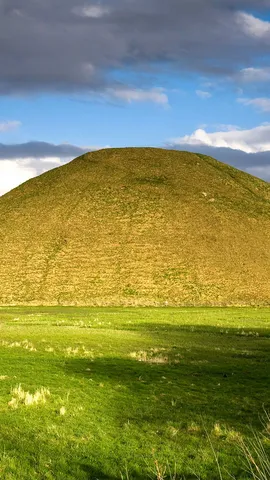
Across ages, archaeology has urged us to look beneath the surface, unearthing stories buried in the land. At first glance, Silbury Hill in Wiltshire, England, may seem like a simple slope in the countryside. However, it conceals a 4,500-year-old Neolithic enigma. Starting around 2400 BCE, chalk was locally quarried, transported and compacted by hand, layer by layer, over generations. The result is the tallest prehistoric mound in Europe, built entirely by human effort, rising to almost 40 metres.
Was it a ceremonial site, a cosmic marker or a symbol of community? Its original purpose remains elusive and for archaeology, the questions can be as valuable as the answers. Where written records fail, the land tells its story.
Like the megalithic stones of Hire Benakal in Karnataka, where hundreds of dolmens and circles were raised as resting places for the dead nearly three thousand years ago, or Rani ki Vav in Gujarat, a stepwell carved into seven descending levels that turn water storage into a sacred journey lined with sculptures, Silbury Hill preserves these tales, reminding us why studying our past matters: it rewrites what we thought we knew, amplifies silenced voices and shows us that history is never finished.