Ganesh Chaturthi
Ganesh Chaturthi gained popularity in 1893 when freedom fighter Lokmanya Bal Gangadhar Tilak transformed it into a public celebration to unite people against British rule.
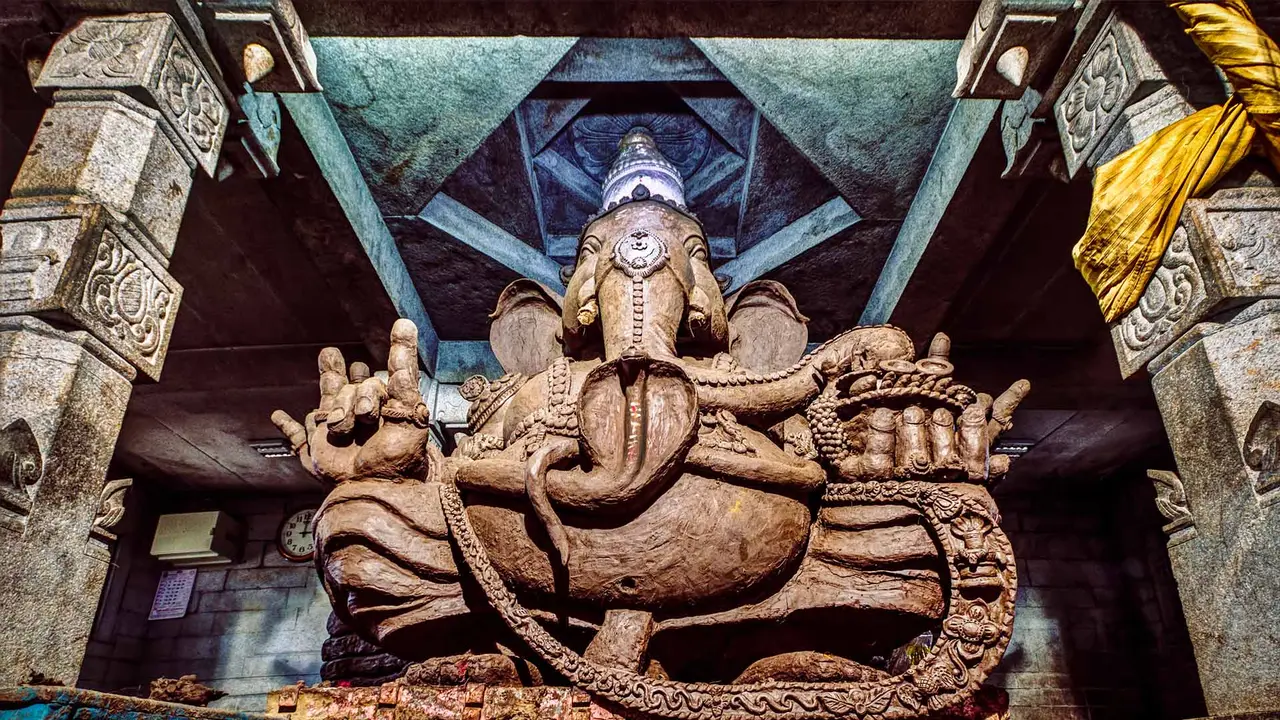
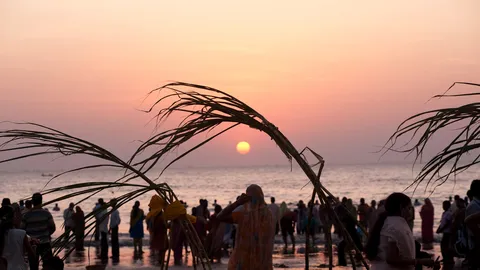
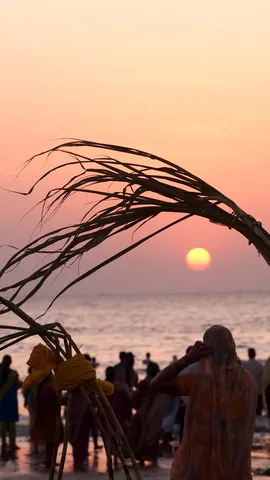
Marking ten days of devotion, rituals and community spirit, Ganesh Chaturthi is one of the country's most cherished festivals. Rooted in deep cultural and religious significance, the celebration honours the beloved elephant-headed deity, a symbol of wisdom and prosperity. Festivities begin with the installation of intricately crafted idols, or murtis, placed in homes and on grand public pandals (temporary stages). Over the next ten days, communities come alive with prayer, music and cultural performances. The festival culminates in a vibrant procession on Ananta Chaturdashi, as the murtis are immersed in rivers or seas in a ritual known as visarjana, symbolising a respectful farewell.
In recent years, growing environmental awareness has influenced how the festival is observed. Many people now opt for eco-friendly idols made from a mixture of cow dung and clay, like the one featured here. Instead of immersing the murtis in natural water bodies, some families allow them to disintegrate in a barrel of water at home, later using the dissolved clay to nourish their gardens. In some cities, public immersion points have also adopted eco-conscious practices to reduce environmental impact.